
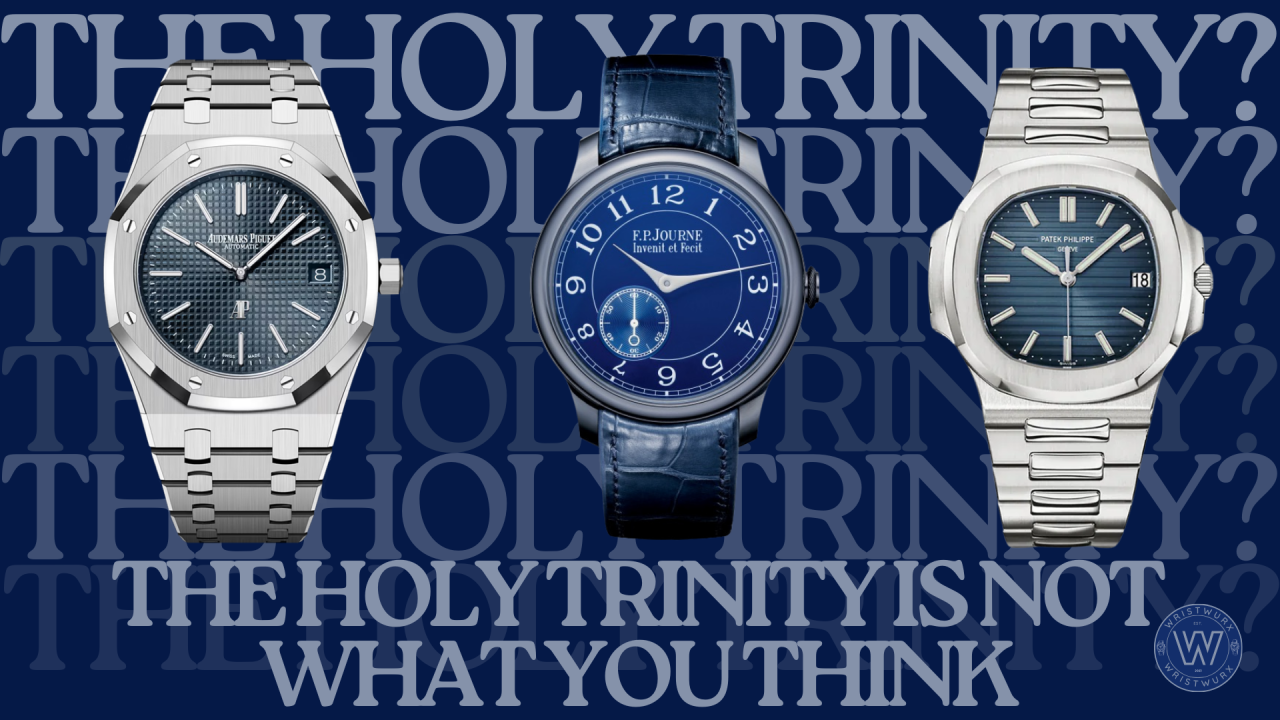
For decades, collectors have repeated the same phrase.
The Holy Trinity of watchmaking.
Patek Philippe . Audemars Piguet . Vacheron Constantin .
Three names. Three giants. Three centuries of heritage.
But in 2026, is the definition still that simple?
Where the Term Came From
The idea of the Holy Trinity emerged from collectors, not marketing departments. It referred to the three historic Swiss maisons that consistently produced the highest level of horology across complications, finishing, and innovation.
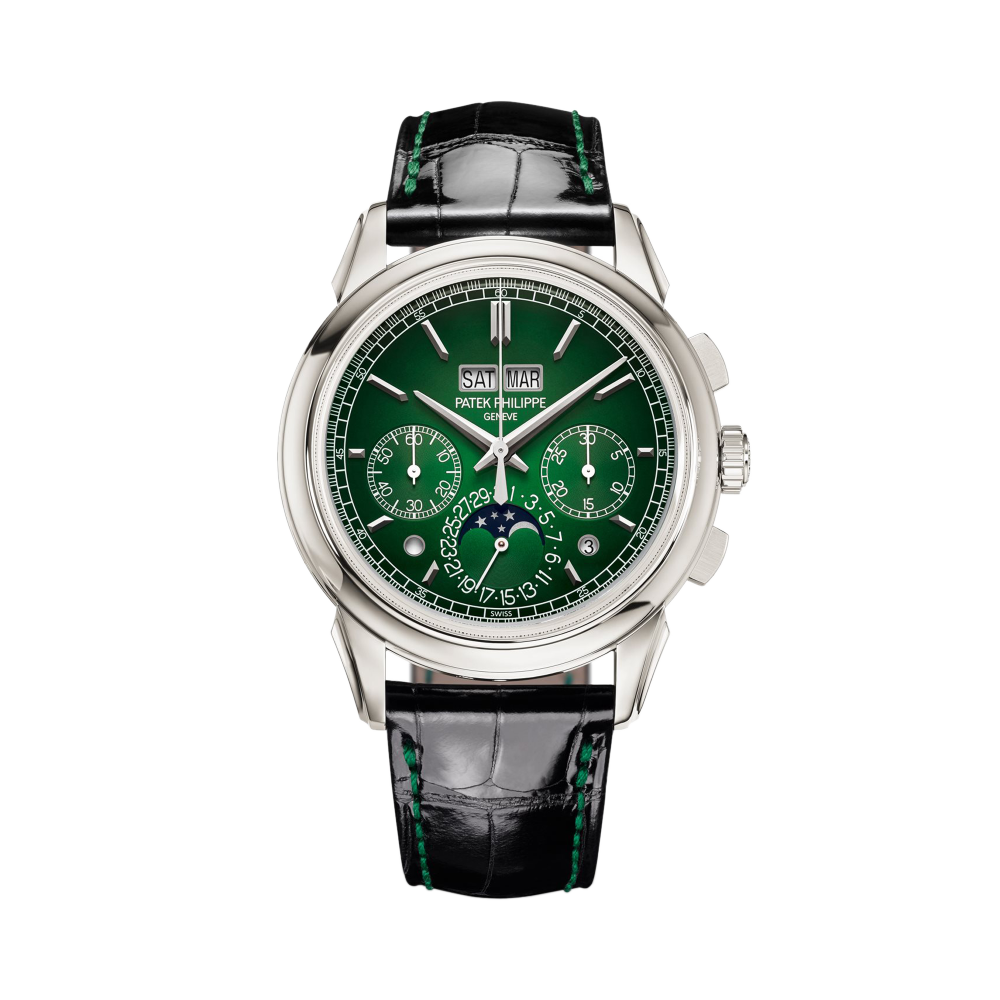
Patek Philippe mastered grand complications and timeless elegance.
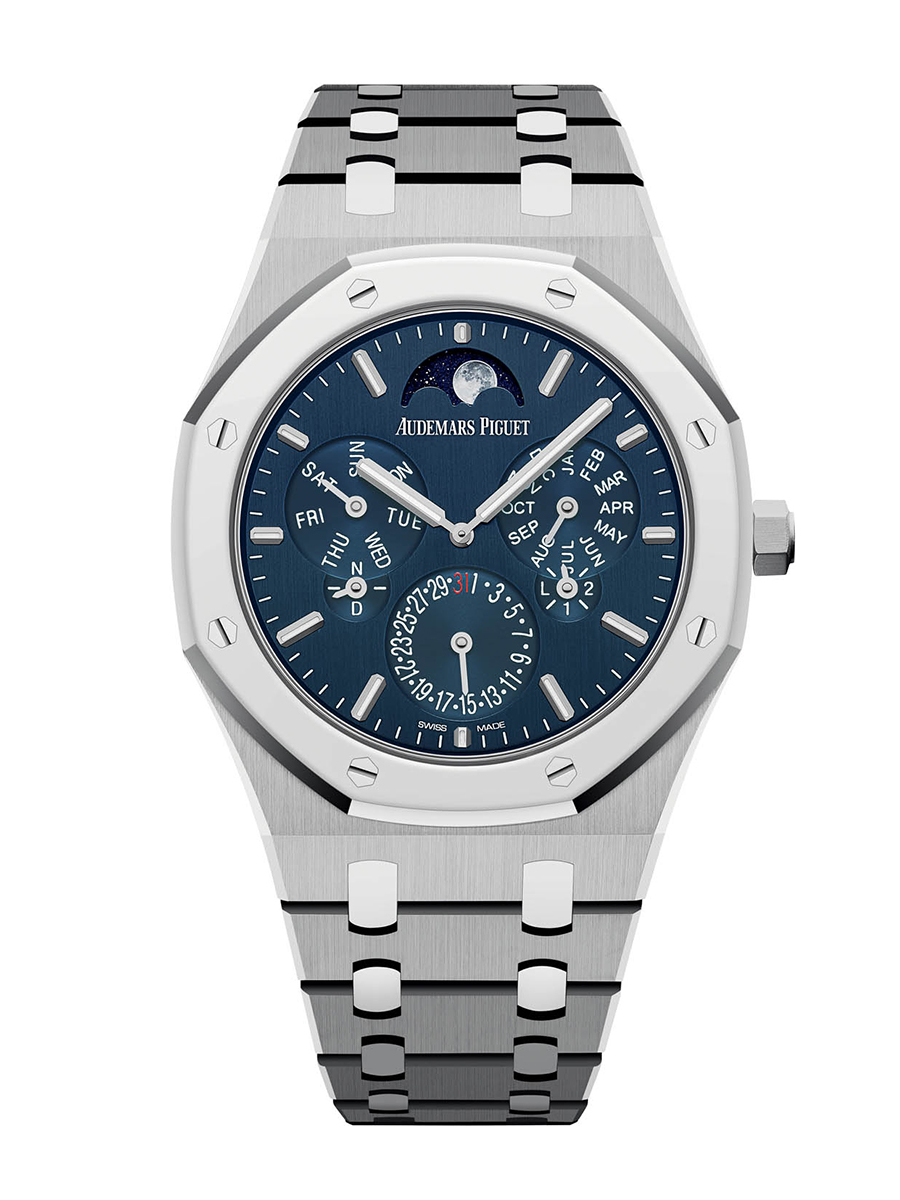
Audemars Piguet pushed design forward with the Royal Oak and high complications.
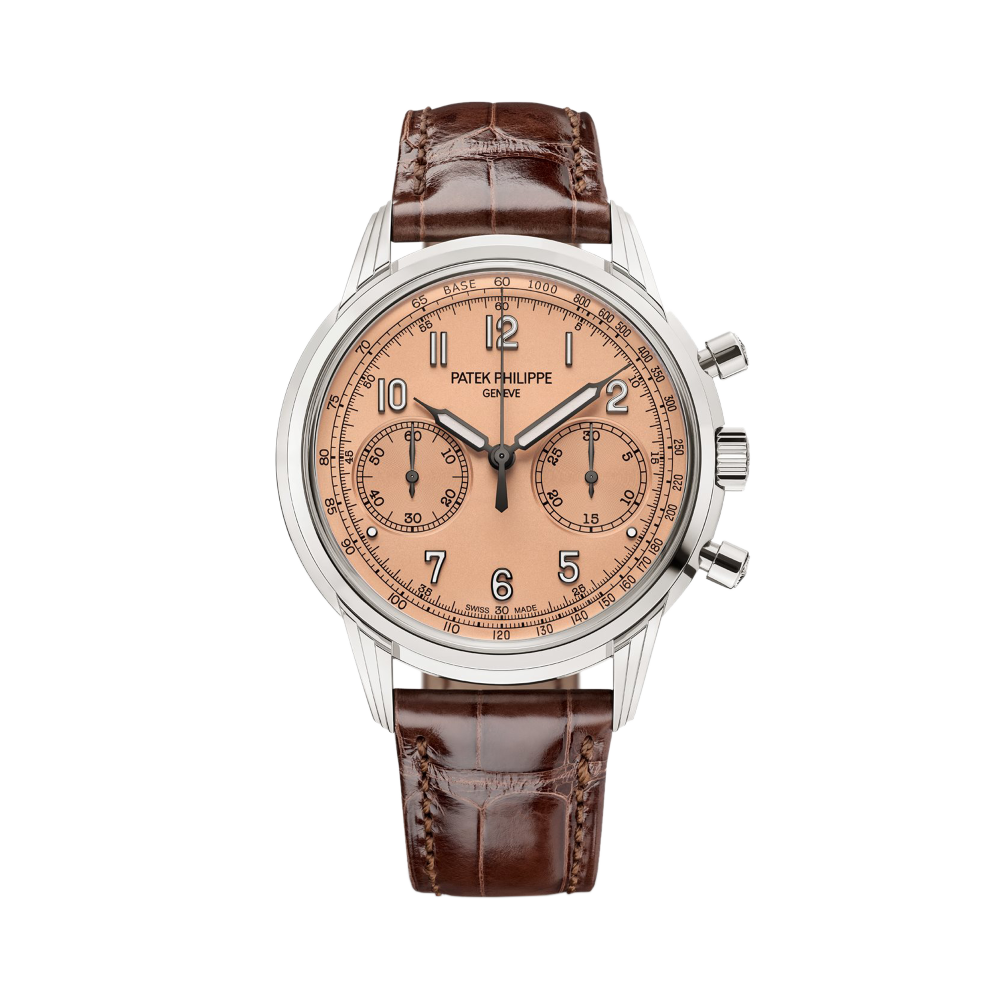
Vacheron Constantin carried uninterrupted history since 1755 with refined craftsmanship.
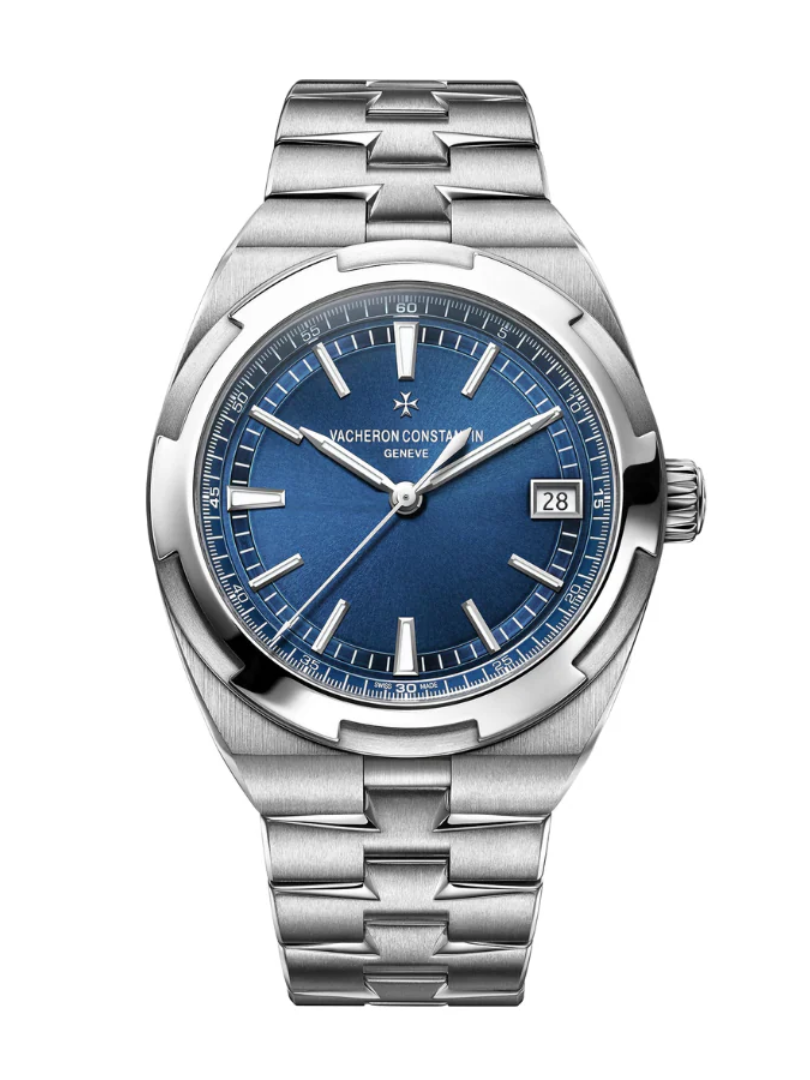
For generations, this trio represented the pinnacle of traditional watchmaking.
But watch culture has changed.
Heritage Versus Innovation
Today, heritage alone is no longer enough to dominate the conversation.
Collectors are asking different questions.
Who is innovating?
Who is truly independent?
Who controls production?
Who pushes mechanical boundaries instead of relying on icons?
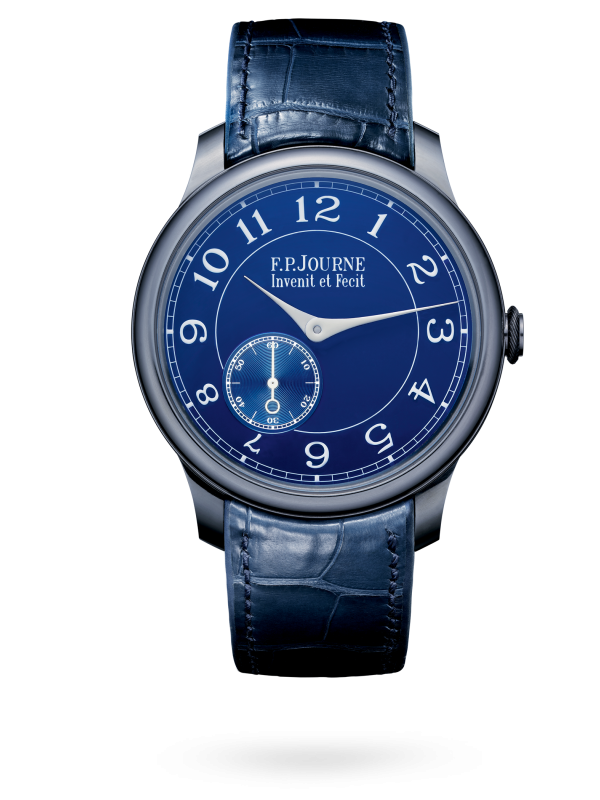
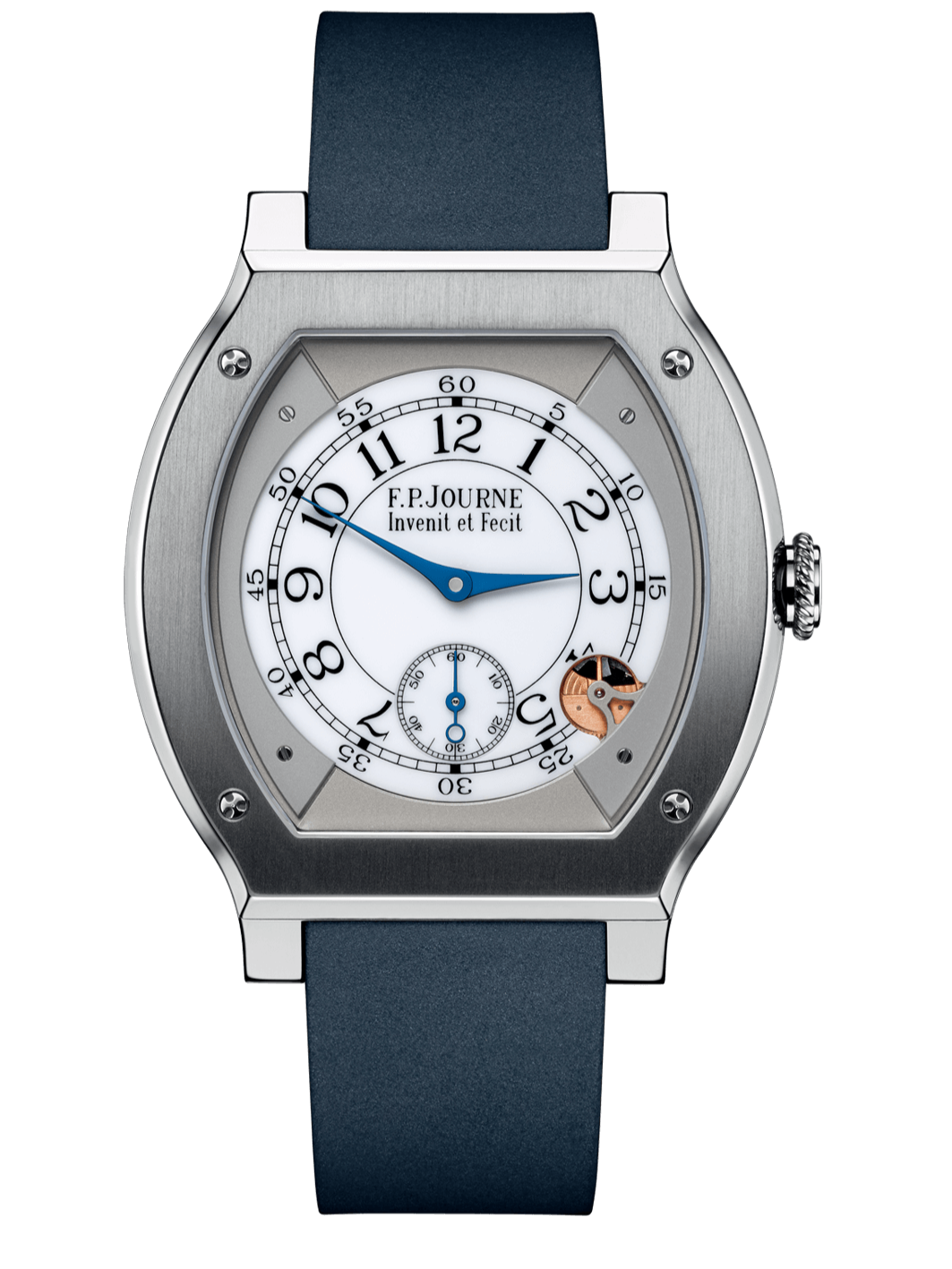
Brands like F.P.Journe - Invenit et Fecit produce fewer than one thousand watches per year, each with solid gold movements and entirely in house calibres.
A. Lange & Söhne redefined German watchmaking after reunification and built movements that rival or exceed Swiss finishing standards.
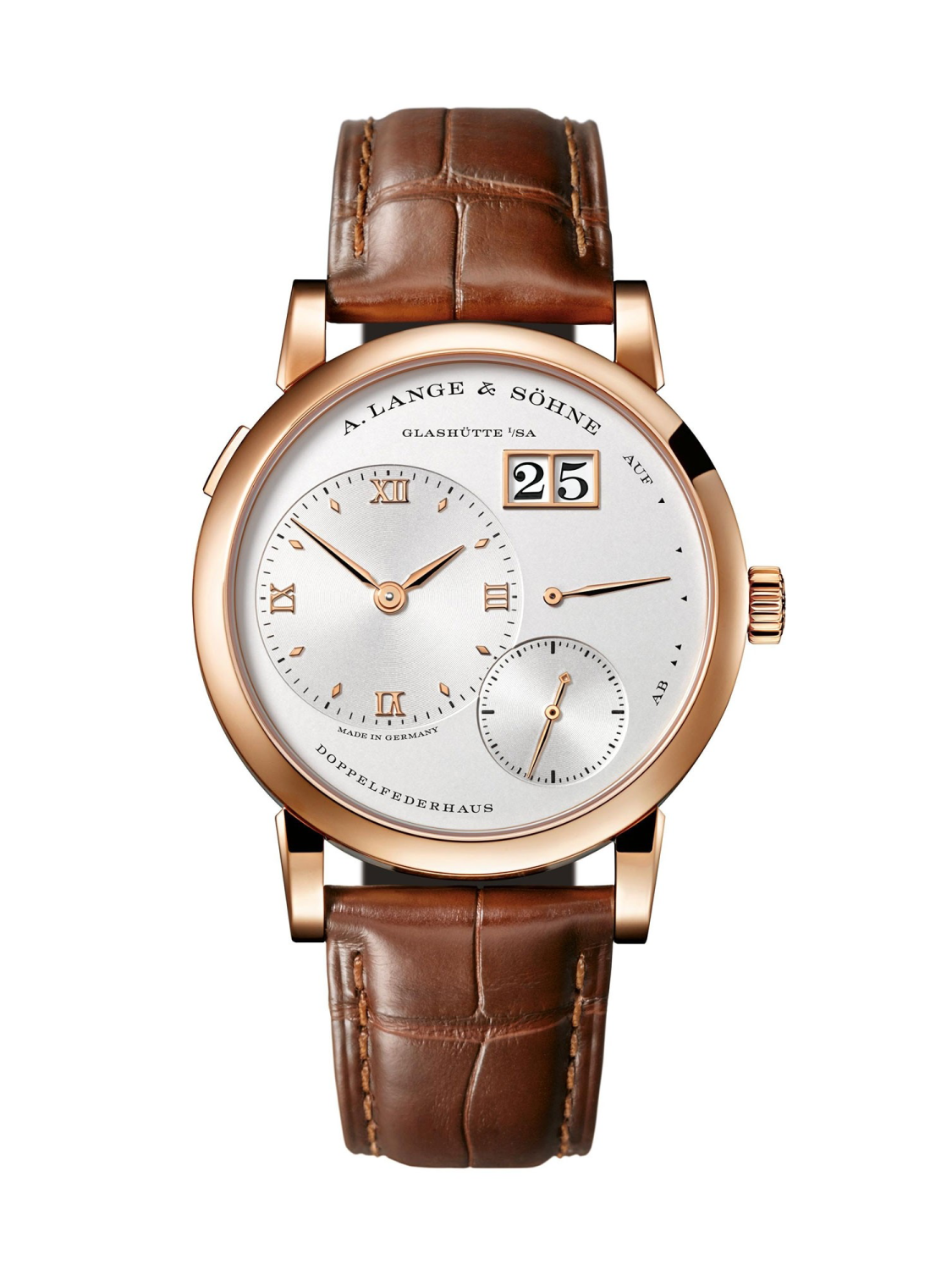
These names did not exist when the term Holy Trinity became popular.
So should the definition evolve?
The Royal Oak Effect
One of the reasons the Trinity remains fixed in people’s minds is visibility.
The Royal Oak.
The Nautilus.
The Overseas.
Integrated steel sports watches reshaped luxury culture. They became status symbols beyond watchmaking circles.
But when hype drives perception, craftsmanship sometimes becomes secondary in the public eye.
The question is no longer who has the most iconic steel watch.
It is who produces the highest level of watchmaking today.
Independence Matters
True independence in watchmaking is becoming rare.
Patek Philippe remains family owned.
Audemars Piguet is still controlled by founding families.
Vacheron Constantin is part of the Richemont group.
Meanwhile, independent makers operate without conglomerate backing, taking creative risks that larger brands often cannot.
Does independence now deserve a seat at the Trinity table?
For many modern collectors, the answer is yes.
So What Is the Holy Trinity Today
Perhaps the Holy Trinity is no longer about three names frozen in time.
Perhaps it represents three ideals instead.
Heritage. Innovation. Independence.
Some brands embody all three.
Some embody two.
Some dominate only one.
The conversation is no longer about replacing Patek Philippe, Audemars Piguet, or Vacheron Constantin. It is about expanding the definition of excellence.
The Holy Trinity was once a closed circle.
Today, it may be a moving target.
Closing Thought
Watchmaking evolves.
Collectors evolve.
The definition of greatness should evolve too.
The real Holy Trinity is not about tradition alone. It is about who shapes the future while respecting the past.
And that list may be larger than three.