Opening: Purpose before prestige
Panerai’s story begins with function. Long before it became a modern luxury icon, the Florentine workshop supplied precision instruments and luminous dials to Italy’s elite naval divers. The foundation was a breakthrough in lume: Radiomir, referenced in an addendum to a French patent filed on March 23, 1916, which made underwater legibility possible and set Panerai on a unique path in watchmaking.
Origins in service
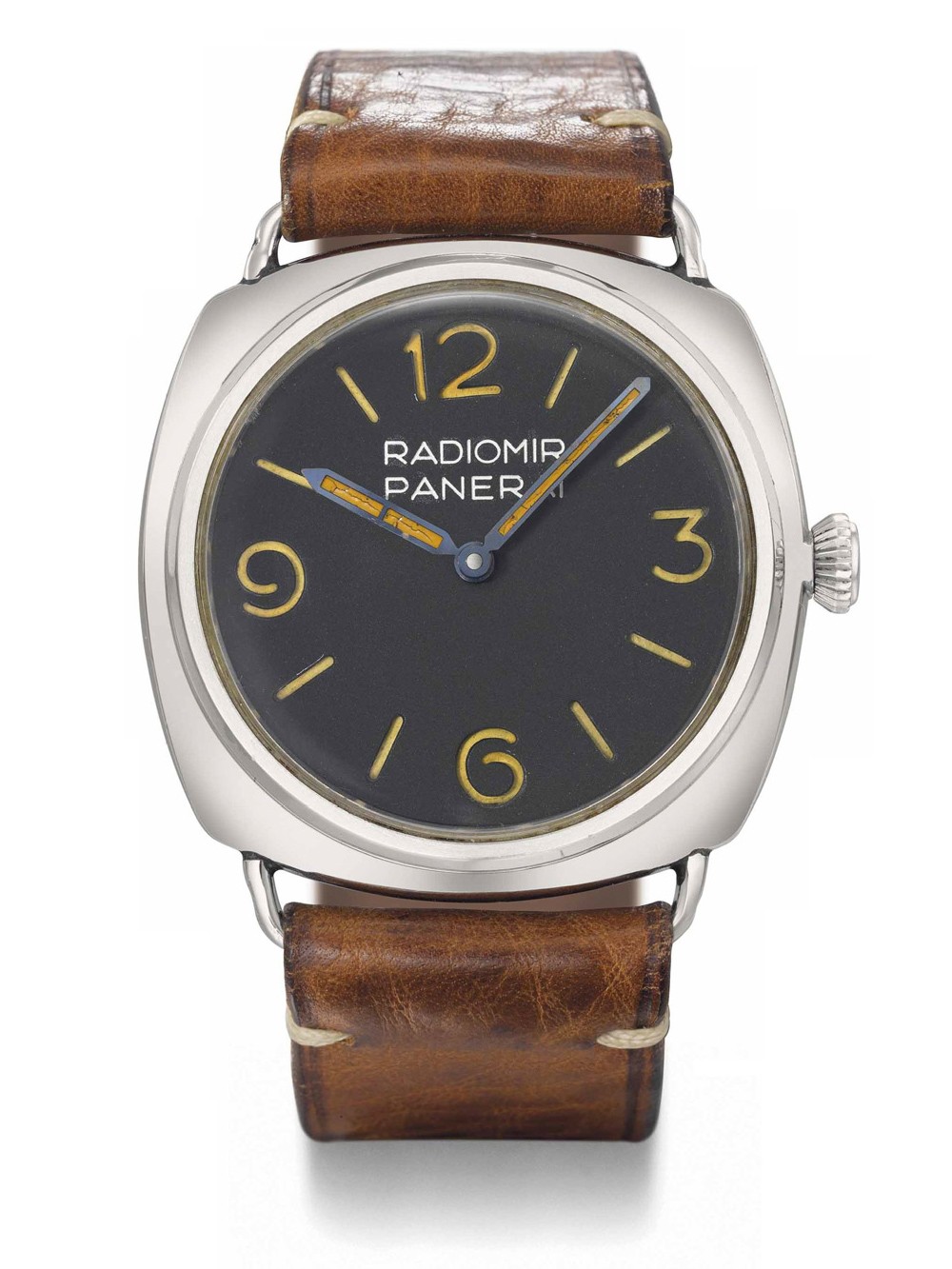
Through the 1930s and 1940s, Panerai i developed oversized, highly legible dive watches for military use, establishing the bold cushion case and wire-lug silhouette that collectors still associate with the Radiomir name. This chapter grounded the brand in a tool-watch ethos that continues to inform its design language today.
From Radiomir to Luminor
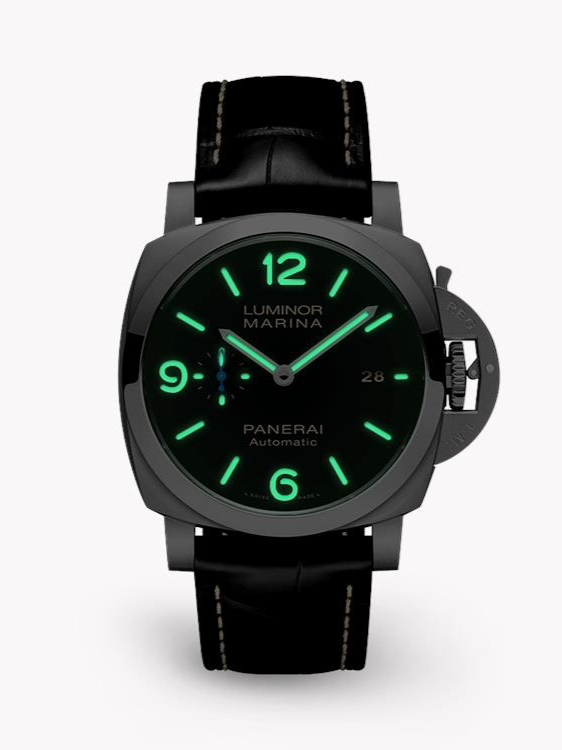
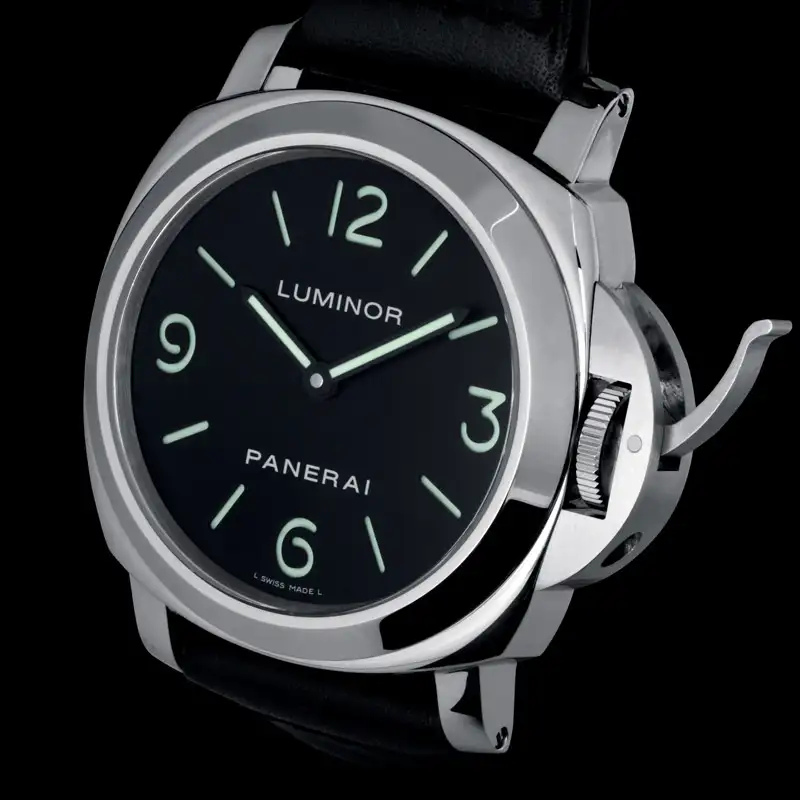
Post-war development brought Luminor, a new luminous compound name registered by Panerai that replaced radium with safer materials over time, and a redesigned case with the now-iconic crown-protecting bridge. The Luminor identity, with its blocky bezel, integrated lugs, and lever-locked crown guard, remains the brand’s visual signature.
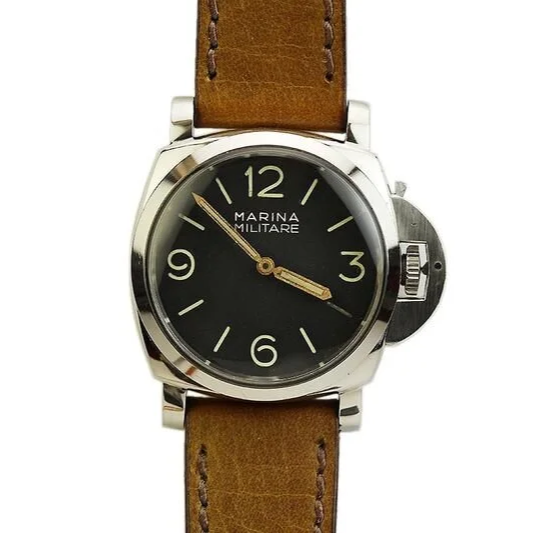
Note on terminology and history: Panerai’s own materials present Luminor as the successor to Radiomir in the late 1940s and 1950s, tied to evolving lume chemistry. Independent researchers have pointed out that some past marketing language conflated trademarks and patents around tritium. The modern takeaway is clear: Radiomir named the early radium-based era, Luminor marks the subsequent generation and the design we know today.
The “secret” era ends: civilian launch in 1993
After decades of primarily military supply, Officine Panerai presented its first civilian collection in 1993 in Florence, bringing the Luminor, Luminor Marina, and Mare Nostrum to the public and effectively opening the next chapter of the brand. Watches from 1993 to 1997 are widely referred to as “Pre-Vendôme.”
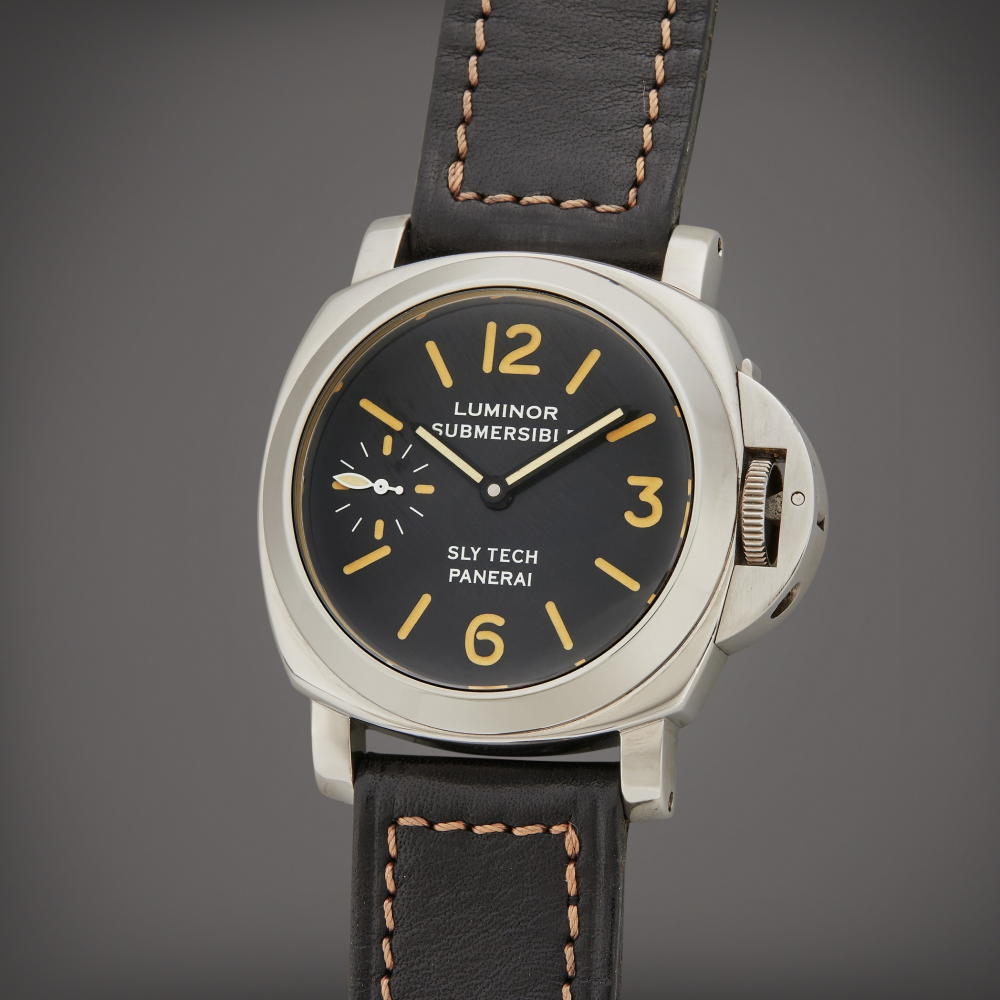
Global scale under Vendôme (Richemont)
In 1997, the Vendôme Group, today part of Richemont, acquired Officine Panerai, giving the brand the resources to industrialize, expand internationally, and protect its distinctive identity. Richemont’s own history timeline confirms the transaction and timing.
Design pillars: Radiomir, Luminor, Submersible
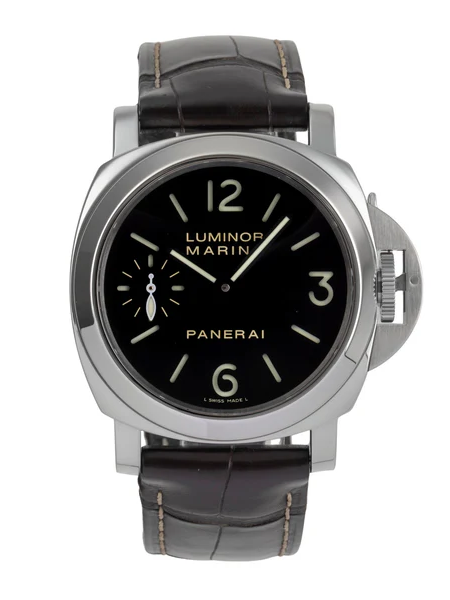
Panerai’s modern catalog crystallizes around three lines. Radiomir preserves the earliest cushion form. Luminorembodies the crown-guarded tool aesthetic. Submersible pushes dive-watch performance further, evolving from Luminor roots into a dedicated professional family. Official materials describe Luminor as “the essence of Panerai,” highlighting the patented crown device as the defining feature.
Materials and the modern Lab-mindset
Panerai’s recent innovation story is materials-led and lab-driven.
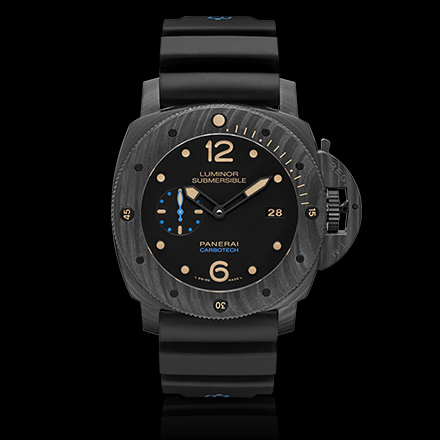
- Carbotech: a layered carbon composite that debuted on the Luminor Submersible 1950 Carbotech PAM 616 in 2015, prized for lightness and a marbled aesthetic.
- BMG-Tech: bulk metallic glass with an amorphous atomic structure, engineered for high strength and corrosion resistance, detailed by Panerai’s technical literature.
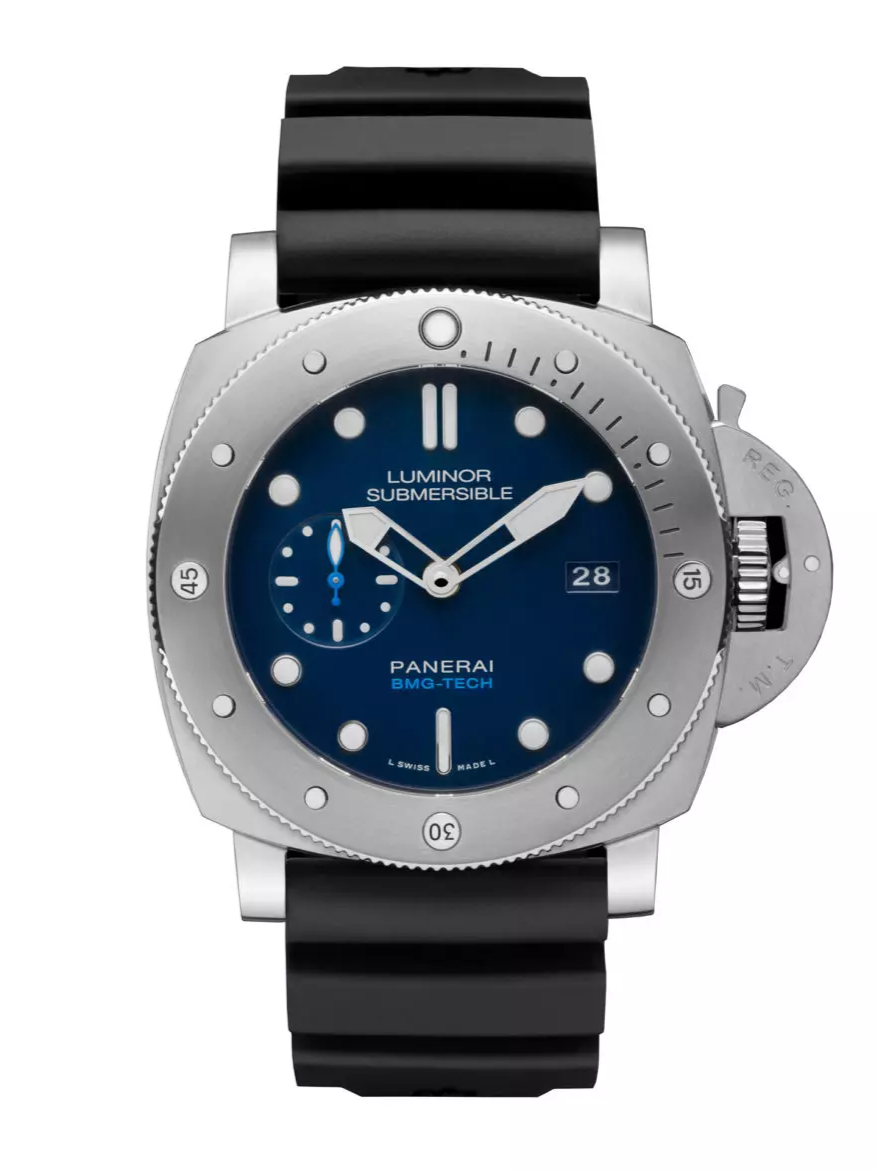
- eSteel and circularity: in 2021, Panerai introduced eSteel and unveiled the Submersible eLAB-ID concept, constructed from 98.6% recycled-based materials by weight, a statement of process innovation and supplier transparency.
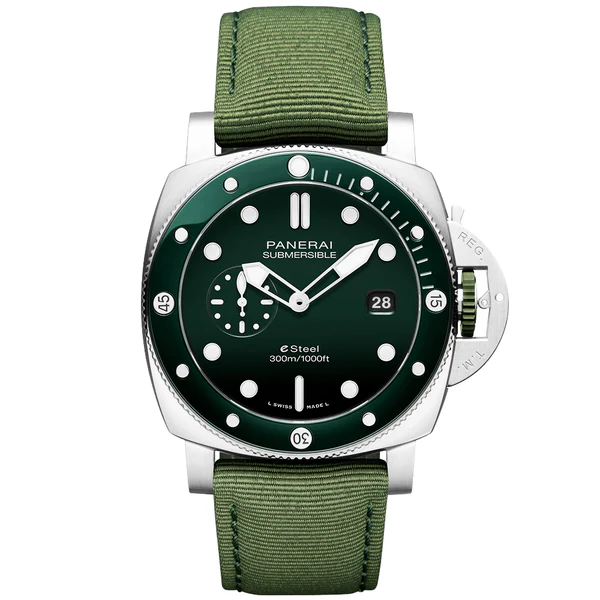
These advances show how a historically utilitarian brand channels R&D into tangible user benefits: lighter cases, improved durability, and a credible path toward sustainability.
Culture and community
From “Paneristi” forums to contemporary collaborations, the brand’s charisma comes from authenticity: oversized, legible, maritime-first design with Italian style and Swiss execution. That balance of purpose and personality explains why Panerai built one of the most passionate fan communities in modern horology. (For a primary-source snapshot of how the company frames that heritage and its 1993 turning point, see Panerai’s “Depths of Time” exhibits.)
Why it matters
Panerai’s arc offers a clear lesson for product teams and brands alike. Start with a mission that solves real problems. Protect design DNA while refining materials and processes. Communicate the journey transparently. The result is a product language that feels inevitable rather than trendy.
Closing thought
From a 1916 luminous breakthrough to recycled-based case alloys, Panerai proves that heritage and innovation can amplify each other. What began as naval equipment in Florence is now a modern lab for materials and industrial design, still guided by the same principles of clarity, durability, and purpose.